



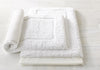

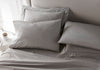
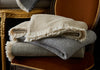
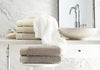
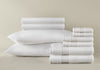

Luxury sheets can cause sticker shock. After all, bed sheets may look alike at first. Yet the cost of luxury sheets often reflects better fibers, skilled work, and careful finishing.
These choices can lead to sheets that feel better and last longer. A high price should not be about the label alone. It should reflect the quality you can see and feel.
Product Spotlight: Luxury Bedding Collection
Our Luxury Bedding Collection features sheets, duvet covers, coverlets, and blankets. Each piece is crafted for comfort and timeless style.
Key Takeaways
- Luxury sheets are often made with premium fibers, such as long-staple cotton or fine linen, which can feel smoother and last longer.
- Skilled weaving, careful dyeing, and quality checks add to the cost, but they can also improve comfort and durability.
- Thread count is only one detail to consider. Fiber quality, weave, and construction often matter more.
- Higher-quality sheets may be a better long-term value because they are less likely to pill, thin, or need frequent replacement.
- The best luxury sheets are backed by clear details about materials, weave, and how they are made.
What "Luxury" Actually Means in Bedding
True luxury sheets are not defined by a high price or a polished label. They begin with where the fiber comes from and how it is woven. They also reflect the care used in washing, dyeing, sewing, and checking each piece before it reaches your home.
These choices affect softness, breathability, and how the sheets hold up over time. Luxury is not one feature. It is the result of better choices made at every stage.
Product Spotlight: Best Sellers
Peacock Alley's Best Sellers feature popular choices in sheets and bedding. This includes long-staple cotton sateen and crisp percale sheeting. These pieces offer a practical place to start when looking for proven comfort and lasting style.
It Starts with the Fiber: Premium Raw Materials
The feel and life of a sheet begin with the fiber used to make it. Premium raw materials can create smoother, stronger yarns. Conversely, lower-quality fibers may wear down, pill, or lose their softness sooner.
Long-Staple Cotton
Luxury cotton sheets often start with long-staple or extra-long-staple cotton. These longer fibers can be spun into smooth, fine yarns. They are also stronger and less likely to pill with regular use. Short-staple cotton costs less, but it can produce rougher sheets that wear down sooner.
Genuine long-staple cotton is not as easy to source. It also takes more care to grow and harvest. Those costs are reflected in the final price. Our Egyptian Cotton Sheets Buyer's Guide explains how better fibers support softer, stronger sheets that last.
European Flax and Specialty Fibers
European flax is valued for its strength and natural texture. The climate and soil help produce strong fibers that can be woven into lasting linen bedding. Linen can offer that relaxed, breathable feel in layers made for year-round comfort.
Other premium fibers, such as Mulberry silk or Tencel, can cost more to source and process. Certifications such as OEKO-TEX and Masters of LINEN™ can also add trust. They help confirm safety or traceable European linen production, which may add to the final price.
Craftsmanship vs. Mass Production
Many luxury bedding brands invest in more than the look of a finished sheet. Mass-produced sheets may use generic yarns and fast weaving with fewer checks along the way. That approach can keep prices lower, but it may leave less room to catch flaws or protect long-term comfort.
Here is how mass production and premium craftsmanship compare:
Fiber Sourcing
- Mass Production: Generic fibers selected for cost.
- Premium Craftsmanship: Premium fibers selected for feel and strength.
Speed
- Mass Production: Faster production.
-
Premium Craftsmanship: More time spent on each stage.
Quality Control
- Mass Production: Fewer checkpoints.
- Closer inspection and higher standards.
Lifespan
- Mass Production: May wear down sooner.
-
Premium Craftsmanship: Designed for lasting comfort.
Price
- Mass Production: Lower upfront cost.
- Premium Craftsmanship: Higher cost tied to materials and care.
Premium craftsmanship takes more time. Skilled makers can monitor the weave, check finished fabric, and reject pieces that do not meet the standard.
Labor, slower output, and stricter quality control all add cost, but they also help create bedding made for regular use and lasting comfort.
The Finishing Details That Elevate the Final Product
Quality fibers are only the beginning. The way sheets are washed, dyed, sewn, and inspected can shape how they feel on the first night and how well they hold up after many washes.
Pre-Washing and Dyeing
Pre-washing helps relax the fibers before sheets reach your bed. This step can reduce shrinkage and create a softer, more consistent feel from the start. It also helps the fabric settle into its final texture.
Dyeing matters, too. Reactive dyes bond with the fibers, helping color stay rich through repeated washing. Pigment dyes sit more on the fabric's surface and may fade sooner. Pre-washing and careful dyeing require more time, water, and skill than quick, lower-cost methods.
Quality Control
Quality control may begin before the sheets are even woven. Makers can inspect the yarn first, review the woven fabric for flaws, and check the finished product for issues in stitching, sizing, or feel.
When a brand rejects sheets that do not meet its standards, it absorbs that cost instead of passing flaws on to customers. These checks take time and skilled attention. They are hard to do at scale without slowing production, which is one reason carefully made sheets tend to cost more.
The Thread Count Myth (and What to Look for Instead)
Why does thread count matter? It can describe how tightly a sheet is woven, but a higher number does not always mean higher quality. A 1,000-thread-count sheet made with short-staple cotton may feel rougher and wear faster than a 400-thread-count sheet made with long-staple cotton.
Some brands raise thread counts by counting the separate strands in multi-ply yarns. Instead of choosing sheets by number alone, look at fiber type, staple length, weave, and clear product details from the brand.
Durability and Long-Term Value
Are expensive sheets worth it? A $300 sheet set that lasts six years costs about 14 cents per night. A $60 set replaced each year costs about 16 cents per night. Better fibers and stronger weaves can help reduce pilling and thinning, so sheets stay comfortable longer.
Choosing the best sheets for long-lasting luxury starts with looking at the fiber, weave, and care needs. When sheets last longer, you may replace them less often, which can also help reduce textile waste.
How to Spot Genuine Quality vs. Surface-Level Marketing
The best luxury sheets offer clear benefits, not just lofty claims. Look for the fiber origin, weave, certifications, and any special finishing steps. Avoid high thread counts with no details to support them. Terms such as "hotel quality" can also hide a lack of proof.
Peacock Alley shares key product details to help shoppers choose well. As you plan a complete room, our bedroom style guide can also help you build a bed with colors and textures that suit your space.
Product Spotlight: Boutique Percale Sheet Set

The Boutique Percale Sheet Set is made from 100% long-staple cotton in a crisp percale weave. Woven in Portugal, it offers cool, breathable comfort with a clean finish.
Why Quality Sheets Are Worth the Investment
Luxury bedding is not defined by price alone. It reflects better fibers, careful construction, skilled finishing, and clear product details. These choices can lead to sheets that feel comfortable and hold up through years of use. When you choose genuine quality, the investment is not just in a beautiful bed. It is in better sleep and lasting value.
Shop Luxury Sheets — Browse Peacock Alley's full collection of luxury sheets, crafted from premium fibers with standards that justify every dollar.
Frequently Asked Questions
How often should you buy new sheets?
There is no set time for replacing sheets. Look for signs of wear, such as thinning fabric, fraying, pilling, or a loss of shape. High-quality sheets can last for years with proper care.
Is 500 thread count good?
A 500 thread count can be a good choice when the sheets are made with quality cotton and single-ply yarn. Still, thread count is only part of the story. Fiber quality and weave have a greater effect on comfort and durability.
Why are bed sheets so expensive?
Quality sheets may cost more because of the fibers, weaving, finishing, and inspections used to make them. These details can improve softness, strength, and long-term comfort. They can also help ensure well-made sheets stay beautiful for years.