



If you’re comparing Egyptian cotton and long-staple cotton sheets, you’re already looking beyond basic bedding and investing in quality. Egyptian cotton is celebrated for its heritage and the extraordinary fibers grown along the Nile River. Long-staple cotton speaks directly to measurable fiber length and performance.
When choosing between the two, the distinction isn’t about which is superior—it’s about which construction, feel, and fiber combination best aligns with your sleep preferences and expectations for longevity. By understanding how fiber length, craftsmanship, and weave influence softness and durability, you can confidently select the sheets that reflect your comfort priorities and design sensibility.
Below, you'll discover:
- How fiber length shapes softness and durability
- Why Egyptian cotton is not always synonymous with higher quality
- The reality behind thread count claims
- How to identify sheets crafted from premium long-staple cotton

Compare Fiber Quality Before You Decide
Cotton isn’t always equal. The actual distinction lies in the length of the individual fibers, known as staples. From short to extra-long, this hierarchy determines how cotton is spun, woven, and ultimately experienced in the form of fine bedding.
What to Know About Long-Staple Cotton Before You Buy
Long-staple cotton sheets begin with fibers that measure approximately 1.125 inches or longer, while extra-long staples exceed 1.375 inches. Short-staple fibers, by comparison, are under one inch. That difference in length might seem subtle, yet it transforms the finished fabric.
Longer fibers spin into softer, more uniform yarns because fewer loose ends protrude from the thread. With fewer exposed fiber tips, the surface of the fabric appears cleaner and more refined. The yarns can also be spun finer without sacrificing strength, allowing for lightweight sheets with remarkable integrity.
The result is a fabric that grows softer and more refined from the very first touch.
If Longevity Matters to You, Start with Fiber Length
Durability starts at the fiber level. Longer staples create yarns that resist fraying and thinning over time. In daily use, this translates into sheets that retain their pristine surface and tailored appearance year after year.
Long-staple fibers are naturally stronger, so they can withstand repeated laundering with grace. Rather than breaking down quickly, the fabric maintains its integrity and suppleness. While lower-grade cotton might initially appear similar, its shorter fibers are more prone to wear. Sheets crafted from premium long-staple fibers ensure bedding that remains beautiful long after it is first placed on the bed.
How to Evaluate Egyptian Cotton When Comparing Options
The phrase Egyptian cotton sheets has long been associated with luxury. For many shoppers, the name alone suggests superior quality. Yet the reality is more nuanced. Understanding what the label actually represents lets you evaluate bedding with greater discernment.
What the “Egyptian Cotton” Label Really Tells You — and What It Doesn’t
Egyptian cotton sheets refer to cotton grown in Egypt, a region known for cultivating extra-long staple varieties. However, geography alone does not guarantee fiber length or grade. Cotton from Egypt can range from exceptional extra-long staple to shorter, more ordinary fibers. Over time, the term “Egyptian cotton” has been used more broadly in the marketplace, sometimes applied to products that contain only a portion of Egyptian-grown fibers. The country of origin on a label does not automatically indicate premium construction or careful sourcing.
For a more detailed look at what distinguishes authentic quality, our Egyptian Cotton Sheets Buyer’s Guide explores the topic further.
How to Spot Authentic Egyptian Cotton While You Shop
As demand for Egyptian cotton sheets has grown, so has the temptation to capitalize on the name. In some cases, lower-grade cotton is blended with Egyptian-grown fibers while still being marketed prominently under the Egyptian designation. In others, labeling might imply authenticity without clear certification.
In response, segments of the textile industry have adopted DNA testing to verify fiber origin and composition. While this has brought greater transparency, it also highlights how frequently the term has been misused.
When evaluating sheets, look at more than just the headline claim. Seek clear descriptions such as “100% extra-long staple” or “100% long-staple cotton,” along with reputable sourcing practices. A beautifully made sheet starts with honest materials rather than a celebrated name.
When Fiber Length Should Guide Your Final Choice
Luxury in bedding is experienced through touch, breathability, and longevity. These qualities originate in the fiber itself. While names and regions might capture attention, staple length quietly determines how a sheet performs every night.
How Fiber Length Impacts Feel, Breathability, and Comfort
Longer cotton sheets allow mills to spin fiber into smoother yarns. These refined yarns can then be woven into fabrics that are light, airy, and remarkably supple. The result is a fabric that feels smooth and polished against the skin. Breathability also plays a key role in comfort. Sheets made from long-staple cotton feel lighter and allow air to move more easily, helping create a cooler sleep environment.
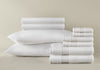
In percale constructions in particular, long-staple cotton produces a crisp, tailored drape that feels fresh and inviting night after night. You can see this craftsmanship in our Lyric Percale Sheet Set, where premium long-staple cotton is woven into a fabric that balances freshness with enduring softness. The distinction lies not in a prominent label, but in the quiet integrity of the staple itself.
What to Consider About Thread Count While Comparing Sheets
Thread count has become one of the most discussed details when evaluating luxury bedding options. In conversations about Egyptian cotton thread count, higher numbers are often equated with greater refinement. However, fiber quality and yarn construction carry far more weight than a single figure printed on the package.
Why Yarn Construction Matters More Than a High Thread Count
To understand Egyptian cotton thread count claims, you want to know the difference between single-ply and multi-ply yarns. A single-ply yarn is spun from one continuous strand of cotton fibers. A multi-ply yarn twists together two or more strands, which can then be counted individually in the total thread count.
Some manufacturers use multi-ply yarns to double or even triple the advertised thread count. While the number appears impressive, the resulting fabric is often heavier and less refined. A 600 thread count sheet made with multi-ply, short-staple cotton might lack the smoothness and longevity of a 300 or 400 thread count sheet woven from single-ply long-staple fibers.
Side-by-Side Comparison: How Egyptian and Long-Staple Cotton Perform Over Time
When weighing Egyptian cotton vs. long-staple cotton sheets, the distinction becomes clearer once fiber length and construction are understood. One term refers to origin. The other describes measurable fiber quality. The difference reveals itself over time, in both performance and longevity.
Generic Egyptian cotton sheets might be crafted from excellent extra-long staple fibers, or they may be woven from more ordinary grades. Without a clear specification, the label alone leaves room for uncertainty. Long-staple cotton, on the other hand, directly communicates fiber length, which influences strength, softness, and resilience.
Sheets woven from certified long-staple fibers tend to maintain their refined surface and tailored drape through years of laundering. They resist thinning and retain their character far longer than fabrics made from shorter fibers.
Weave also contributes to the overall character of the sheet. For a closer look at construction and texture, explore our guide to Percale vs. Sateen: What is the Difference?
How to Shop for the Best Egyptian Cotton Sheets
Choosing the best Egyptian cotton sheets requires looking beyond a familiar name. Labels, fiber descriptions, and construction details reveal far more than branding alone. With a discerning eye, you can identify bedding that reflects genuine craftsmanship.
Key Quality Indicators to Confirm Before Purchasing
When evaluating the best Egyptian cotton sheets, start by searching for clear fiber descriptions such as “100% long-staple cotton” or “100% extra-long staples.” These terms indicate measurable fiber length rather than geographic origin alone. If a product simply states “Egyptian cotton” without further detail, consider seeking additional clarification.
Reputable brands are transparent about sourcing and spinning methods, often noting whether the yarns are single-ply and how the fabric is woven. While price alone does not determine quality, exceptionally low pricing could signal shorter-staple fibers or multi-ply construction.
Making an Investment in Sheets That Reflect Your Standards
Both Egyptian and long-staple cotton can deliver exceptional comfort when crafted with care. The key is understanding the details behind the label.
The finest sheets begin with exceptional fibers. By prioritizing staple length over marketing language, you invite enduring softness, graceful drape, and lasting beauty into your bedroom.
Next Steps
- Look for “100% long-staple” or “100% extra-long staple” on the label
- Confirm single-ply yarn construction and a balanced thread count
- Explore weave options to suit your preference for percale or sateen
- Choose reputable makers known for mindful sourcing
Frequently Asked Questions
What are the healthiest sheets to sleep on?
Sheets crafted from 100% natural fibers—such as Egyptian cotton or other long-staple cotton varieties—are often preferred for their breathability and moisture-wicking properties. High-quality cotton allows air to circulate, helping regulate temperature and reduce heat retention. When evaluating options, look for transparent sourcing and avoid synthetic blends if breathability is a priority.
Is long-staple cotton the same as Egyptian cotton?
Not exactly. Egyptian cotton refers to cotton grown in Egypt, while long-staple cotton refers to the measurable length of the fiber itself. Many Egyptian cotton sheets are made from extra-long staple fibers, but not all are. When comparing products, look for clear fiber specifications in addition to origin labeling.
What should you look for when comparing Egyptian and long-staple cotton sheets?
Focus on fiber length, single-ply yarn construction, weave (percale or sateen), and transparency in sourcing practices. Whether you choose Egyptian cotton or another long-staple variety, these details will have the greatest impact on softness, durability, and long-term performance.
To discover bedding crafted from premium long-staple cotton, explore our collection and Shop All Peacock Alley Sheet Sets.