




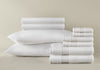

Choosing a silk vs cotton pillowcase usually comes down to one question: are silk's benefits for skin and hair worth it over a quality cotton pillowcase? The honest answer depends on what is most important to you: a smoother surface, hair health, skin comfort, easy care, or durability.
This guide compares the two so you can match the material to your own sleep priorities.
Key Takeaways
- Silk's smooth protein surface creates less drag against skin and hair, its strongest evidence-backed advantage.
- Long-staple cotton sateen at 400+ thread count is far smoother than basic cotton and narrows the gap.
- Cotton wins on practicality: breathable, machine washable, and durable through hundreds of washes.
- Silk needs delicate care, wears out faster, and its acne and wrinkle claims rest on limited evidence.
- The material tier matters more than the category; Peacock Alley offers two cotton sateen options.
What Each Material Actually Is
Silk and cotton are both natural fibers, but they are different in structure, production, and how they behave against your skin. Those origins shape everything that follows.
Silk: What You're Paying For
Silk is a protein fiber created by silkworms, with a naturally smooth surface that creates very little drag. Silk pillowcases are graded by Momme weight: the higher the Momme, the denser and more durable the silk. Quality varies widely by brand and grade. Quality silk has these genuine advantages:
- Low drag against skin and hair
- A temperature-neutral surface that stays cool to the touch
- Less absorbent than cotton, so it may pull less moisture from your skin
Tradeoffs: silk needs delicate washing, wears down faster than cotton, and quality swings sharply across price points.
Cotton: The Range Matters
Cotton pillowcases can fall anywhere within an enormous range. It might be a low-thread-count percale or a 600-thread-count extra-long staple sateen, and those two sleep nothing alike. The claim that cotton is rough applies to loose, low-count weaves, not dense, long-staple sateen. Two weaves matter most:
- Percale: crisp, cool, and matte, with a breathable surface and less drag than basic cotton
- Sateen: smooth with a soft sheen, the closest cotton comes to silk, and more durable
Quality, not category, decides how a cotton pillowcase performs.
Silk vs. Cotton for Skin
The skin comparison comes down to two things: drag and moisture. Silk and quality cotton behave differently in each factor.
What Silk Offers
Silk's protein surface produces minimal drag, which is why it is often credited with reducing sleep creases or being gentler on sensitive skin. It is non-absorbent, so it does not wick away nighttime moisturizers in the way that a porous fabric can.
Because it creates less friction, silk helps prevent those temporary, sleep-induced creases we often wake up with. It doesn't absorb your overnight face creams, but simply lets your skincare products do their job undisturbed while you sleep.
What High-Quality Cotton Offers
Quality cotton answers silk on several fronts:
- Smoothness: high-thread-count sateen, 400 and above, woven from extra-long staple cotton, cuts drag considerably against a standard cotton pillowcase
- Breathability: cotton is moisture-wicking, which matters if you run warm or wake up sweaty, where silk's non-absorbency can read as too warm
- Easy care: it washes at home without silk's delicacy, which keeps it genuinely clean over time
Product Spotlight: Our Virtuoso Sateen Pillow Cases are made from 600-thread-count extra-long staple cotton woven in Italy and show how smooth quality sateen can be.
Silk vs. Cotton for Hair
For hair, the case for silk is about drag. A smoother surface means less frizz, fewer tangles, and less stress on the hair shaft overnight.
The mechanism is simple: a cotton weave has more surface texture than silk, and hair dragging across it overnight can lift the cuticle, causing frizz, tangles, and breakage over time. This is especially an issue for those with fine, curly, or treated hair.
On the other hand, silk's smooth surface reduces that friction. A study in the Journal of Cosmetic Dermatology and testing reported by Consumer Reports both point to less hair breakage on smoother surfaces. A high-count cotton sateen narrows the gap, and for most hair types it performs well.
Moisture is the second factor. Silk doesn't absorb it, which some argue helps hair keep its natural oils overnight, while cotton draws a little away. For most people, this is a small difference, but this non-absorbency may hold a measurable edge for those with very dry or damaged hair.
Cotton's breathability pulls the other way, moving moisture off the scalp more effectively. This may be beneficial if you sweat at night.
Comfort, Care, and Longevity
Care and durability are just as important as surface texture, especially for a product you'll use every day. Cotton actually holds the clear, practical advantage in this regard.
Sleep Feel
Comparing silk pillowcases vs cotton, each sleeps differently:
- Silk: cool, smooth, and lightweight, though some find it slippery or warm once body heat builds
- Sateen cotton: soft and smooth with a little warmth, settling against the skin rather than sliding over it
- Percale cotton: crisp, cool, and matte, the opposite of silk, and a favorite of hot sleepers
Product Spotlight: None is objectively better; it's all about personal preference. The Soprano Stripe Sateen Pillowcase, a 400-thread-count sateen, exemplifies the smooth cotton surface well.
Care and Durability
Care is where the gap widens:
- Silk: hand wash or cold delicate cycle, air dry only, no direct heat, and even then, it wears out faster than quality cotton
- Quality cotton: machine washable and tumble dry low, holding its texture through hundreds of washes
A pillowcase that demands delicate handling also tends to get washed less often than it should, which can affect hygiene. Percale Sheets can be an easy-care alternative.
Silk & Cotton Pillowcases at Peacock Alley
No matter how you sleep or what you're looking for, Peacock Alley's premium options are tailored to your sleep style.
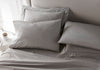
- Mulberry Silk Pillowcase: Crafted from 100% mulberry silk, this naturally hypoallergenic pillowcase features a buttery smooth texture and an envelope closure. It is designed to minimize friction, helping to reduce overnight hair breakage and skin creases while keeping you cool.
- Soprano Sateen Pillowcases: A 400-thread-count, 100% long-staple cotton sateen woven in Portugal. Sold as a pair, it features an elegant tone-on-tone damask stripe and a classic satin-stitch cuff.
- Virtuoso Sateen Pillow Cases: Peacock Alley's finest—a 600-thread-count extra-long staple cotton woven in Italy. This OEKO-TEX certified luxury option features a double-row hemstitch and a remarkably silky hand.
- Boutique Percale Pillowcases: The perfect easy-care choice for hot sleepers who prefer a crisp, matte, and highly breathable finish over a silky sheen.
The quality of the material matters far more than the type or category alone. Peacock Alley's pillow cases are crafted with care and relaxation in mind.
Shop luxury pillowcases for an elevated sleep experience.
Frequently Asked Questions
Is a silk pillowcase better than cotton for skin?
Silk creates less drag and does not absorb your skincare, which can suit sensitive or dry skin. But quality cotton sateen is smoother than assumed, and silk's acne and wrinkle benefits rest on limited evidence.
Do silk pillowcases reduce hair frizz?
To a degree. Silk's smooth surface lowers overnight drag, meaning less frizz and breakage, especially for curly, fine, or treated hair. A dense cotton sateen narrows that gap for most hair types.
Is cotton or silk better for hot sleepers?
Cotton, usually. Percale and sateen are breathable and wick moisture, while silk's non-absorbency can trap warmth. Hot sleepers tend to prefer crisp percale.
How often should you wash a silk pillowcase?
About once a week, by hand or on a cold, delicate cycle, air-dried away from heat. Gentle washing keeps it clean without the wear from hot water and machine drying.
What is the best cotton pillowcase for sensitive skin?
Choose OEKO-TEX certified, long-staple cotton sateen at 400 thread count or higher. Peacock Alley's Soprano and Virtuoso sateen pillowcases both qualify.