



Linen bedding is everywhere right now, but many shoppers still wonder what European-washed linen actually means. Is it softer? Does it last longer? And is it really worth the higher price?
In this guide, we'll break down what sets European-washed linen apart — and why so many people consider it a worthwhile long-term investment in better sleep.
Product Spotlight: Linen Sheet Set
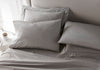
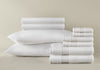
Our Linen Sheet Set is made from premium European-washed linen for a soft, relaxed feel from day one. The breathable fabric gets even softer over time while holding up beautifully for years to come.
Key Takeaways
- European-washed linen is pre-washed before it becomes bedding, so it feels soft right away.
- European flax is known for making strong, breathable, and long-lasting linen fabric.
- Pre-washing reduces shrinkage and gives linen a more relaxed texture over time.
- European-washed linen costs more because it uses high-quality flax and extra processing.
- Many shoppers believe linen bedding is worth the price because it can last for years with proper care.
What Is European-Washed Linen?
So, what is European linen exactly? European-washed linen is a linen fabric that has been pre-washed in European mills before it reaches the customer. This process makes the fabric softer, more relaxed, and more stable in size from the start.
In textile production, the term washed refers to a finishing process that softens the fibers — often through tumbling or enzyme treatments. Our Bedroom Style Guide can also help you compare bedding textures and choose the right look for your space.
Where It Starts: European Flax and Traditional Craftsmanship
European-washed linen starts with flax grown in Western Europe. After the fabric is woven, European mills pre-wash the linen to make it softer and more comfortable before it reaches the customer.
Why Flax Grown in Europe Is Different
Most high-quality European linen starts in Belgium, France, and the Netherlands. The cool climate and rich soil in these regions help flax grow longer and stronger fibers. Those fibers create smoother linen that lasts longer over time.
Europe also has a long history of flax farming and linen production. Many European flax products are Oeko-Tex or Masters of Linen certified, verifying the authentic quality and refined European heritage of every thread. Better flax leads to stronger, softer, and more durable bedding from the start.
How the Washing Process Works
European mills pre-wash linen at the fabric or yarn stage using methods like tumbling, enzyme treatments, or stone washing. This process softens the fibers and gives the fabric its relaxed texture before it is cut and sewn into bedding.
Because the washing happens before production, the results are more even and consistent — ensuring every fiber reaches its peak softness before it ever touches your skin.
Product Spotlight: Linen Bedding Collection
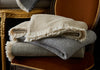
Our Linen Bedding Collection is made from European-washed linen for a soft feel and relaxed finish. The pre-washing process also helps create the consistent texture described in this section.
Raw vs. Garment-Washed vs. European-Washed: What's the Difference?
Not all linen is finished the same way. Some fabrics are left untreated, while others are washed before they reach the customer. The various finishing methods explain why linen feels and performs differently over time.
| Feature | Raw Linen | Garment-Washed Linen | European-Washed Linen |
|---|---|---|---|
| Feel | Stiff and coarse | Softer but uneven | Soft and smooth |
| Finish | Crisp and untreated | Relaxed | Consistent and relaxed |
| Shrinkage Risk | High | Moderate | Low |
| Price Tier | Lower | Mid-range | Premium |
| Ready to Use | Break-in period needed | Yes | Yes |
Raw (Untreated) Linen
Raw linen comes straight from the loom with little to no finishing treatment. It is usually stiff and coarse at first, and many shoppers find there is a noticeable break-in period before the fabric becomes comfortable.
This type of linen is also more likely to shrink after the first wash, sometimes by 5–10%. While raw linen is often the most affordable option, it places more of the work on the buyer to soften and stabilize the fabric over time.
Garment-Washed Linen
Garment-washed linen is washed after it has been cut and sewn into bedding. This gives the fabric a softer texture than raw linen, but the results can vary between brands.
Because the washing happens later in production, the texture may feel less consistent over time. The fabric can also continue to shrink with home laundering since the fibers were not fully treated earlier in the process.
European-Washed Linen
European-washed linen is pre-washed at the fabric or yarn stage before it is cut and sewn into bedding. This method improves size stability, so there is less risk of surprise shrinkage after washing at home. The result is linen that feels soft, consistent, and comfortable from the very first night.
What Pre-Washing Does to Your Sheets
Pre-washing changes how linen feels, fits, and wears over time. The process helps soften the fabric, reduce future shrinkage, and improve durability before the sheets ever reach your bed. Here are the most prominent linen sheets benefits related to the pre-washing process.
Softer From the Start
Pre-washing helps relax linen fibers and reduce the stiffness created during weaving. Compared to untreated linen, the difference is easy to notice right away — even before the sheets come out of the packaging.
European-washed linen starts with a much softer feel than raw linen. There is no long break-in period. The fabric will continue to soften with regular washing, but it begins at a far more comfortable starting point.
Less Shrinkage Over Time
Pre-washing removes much of the shrinkage still locked into linen fibers after production. With proper care, most European-washed linen should shrink only about 1–3% after purchase.
Better stability means your bedding maintains its fit and stays tucked wash after wash — lasting longer with regular use.
Built to Last Longer
Pre-washing can help linen last longer by removing surface impurities and weak points that may lead to early wear. Linen is already one of the most durable natural fabrics; this process enhances its natural strength.
With proper care, quality European-washed linen can last 5–10 years or more. That durability is one reason to focus on choosing the best sheets for long-lasting luxury.
Why European-Washed Linen Costs More
Perhaps you've wondered why linen is so expensive. The answer starts with the materials and the production process. Premium flax sourced from Europe's historic growing regions is spun into yarn by specialized mills, which then pre-wash the fabric using extra time, energy, and care.
Those added steps increase the cost from start to finish — reflecting skilled craftsmanship, textile tradition, and careful quality control across generations.
Product Spotlight: Linen Duvet Cover
Our Linen Duvet Cover is made from European-washed linen for a soft feel and relaxed finish from the start. The pre-washing process also helps the fabric keep its shape and durability over time.
Higher-quality linen also tends to perform more consistently over time. Better materials and finishing methods create a more reliable long-term experience — in both feel and fit after washing.
Is It Worth the Price? The Long-Term Value Case
So, are linen sheets worth it? For many shoppers, the value becomes clearer over time. A single set can provide years of consistent comfort, and when you break down the cost per night, premium linen can end up costing less than lower-quality sheets that need replacing every year or two.
The upfront price is higher, but many people find the comfort, durability, and longer lifespan worth the investment. Breathable linen can also be great sheets for hot sleepers who want cool and relaxing bedding.
Product Spotlight: Linen Pillow Cases
Our Linen Pillow Cases are made from European-washed linen for a soft feel and relaxed texture from the first night. The breathable fabric also becomes even softer with regular use and washing.
Why European-Washed Linen Is More Than a Trend
European-washed linen is known for its soft feel, lasting comfort, and better fit over time. The price is higher at first, but many shoppers believe the long lifespan makes it worth the cost. With proper care, quality linen bedding can stay soft and durable for many years.
Shop Linen Bedding — Explore Peacock Alley's European-washed linen bedding collection, crafted for lasting comfort and refined softness from the very first night.
European-Washed Linen FAQs
Does linen shrink?
While natural fibers may shift, quality European-washed linen is specifically treated to minimize shrinkage, maintaining its elegant fit wash after wash.
How is linen made?
Linen is made from the fibers of the flax plant. After the flax is harvested, the fibers are spun into yarn, woven into fabric, and finished through washing or softening processes before becoming bedding or clothing.
Can linen be washed?
Yes, most linen bedding can be machine washed using mild detergent and cool or warm water. Linen also becomes softer over time, especially when washed and dried with gentle care.